The Functional Low Dead Space Syringe: Why the QD Syringe Represents the Next Evolution in Medication Delivery

May 28th, 2026 by admin | Permalink

For more than half a century, the basic disposable syringe has remained remarkably unchanged. While medicine, pharmaceuticals, robotics, and medical technology have advanced dramatically, the syringe used to prepare and deliver lifesaving medications still relies on a design philosophy developed decades ago.

Every injectable medication begins with one critical step: safely transferring medication from its vial into a syringe. Unfortunately, this preparation process introduces multiple opportunities for medication waste, workflow inefficiency, contamination, needle damage, and unnecessary safety risks.

The QD Syringe was engineered from the ground up to rethink this entire process.

Medication Preparation Should Be the First Priority

Before medication can be safely delivered to a patient, it must first be completely and efficiently recovered from its vial.

An ideal syringe should:

  • Recover virtually all of the medication from the vial.
  • Access medication trapped beneath recessed rubber stoppers.
  • Reduce medication waste.
  • Simplify workflow.
  • Minimize manipulation during medication preparation.

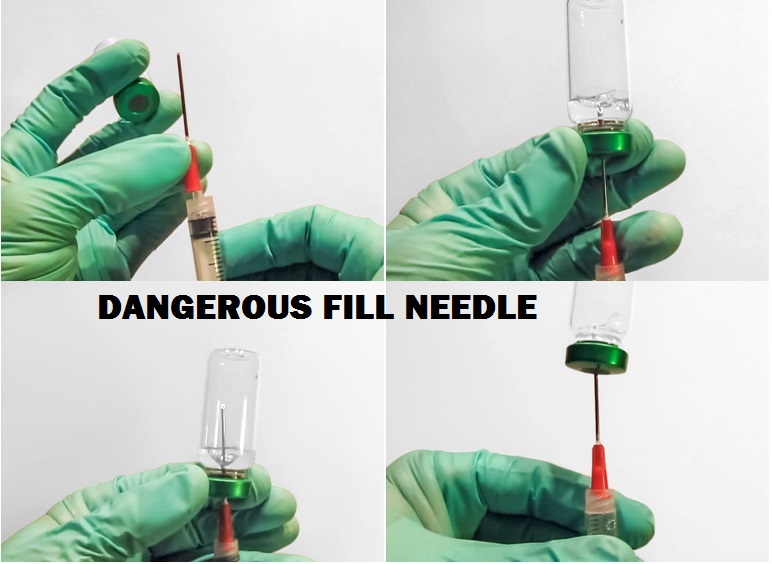
Traditional syringes were never specifically designed to accomplish these objectives. Instead, clinicians often rely on separate steel fill needles or use the patient’s injection needle to withdraw medication.

Neither approach is ideal.

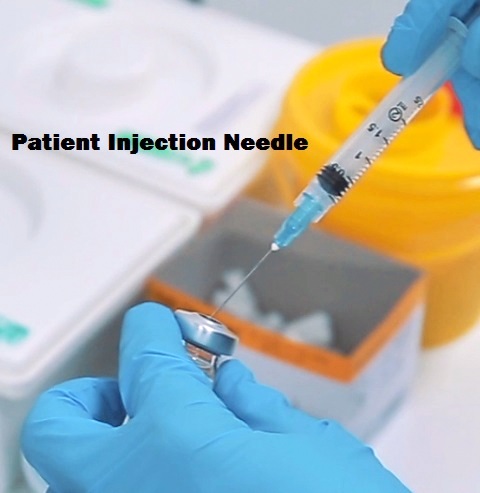
Why Patient Injection Needles Should Not Be Used for Medication Preparation

One of the most common practices throughout healthcare is using the same hypodermic needle to both withdraw medication from a vial and inject the patient.

Although common, this practice has several disadvantages.

Each time a steel needle punctures a rubber stopper, microscopic deformation of the needle tip can occur. Even though this damage is not visible to the naked eye, studies have demonstrated that needle tips can become dulled after vial penetration.

This means the needle that ultimately enters the patient’s skin may no longer be at its sharpest.

In addition, repeated penetration of rubber stoppers can remove portions of the specialized silicone lubrication applied during manufacturing, potentially increasing insertion resistance during injection.

The QD Syringe approaches this differently.

Medication preparation and patient injection become two separate functions.

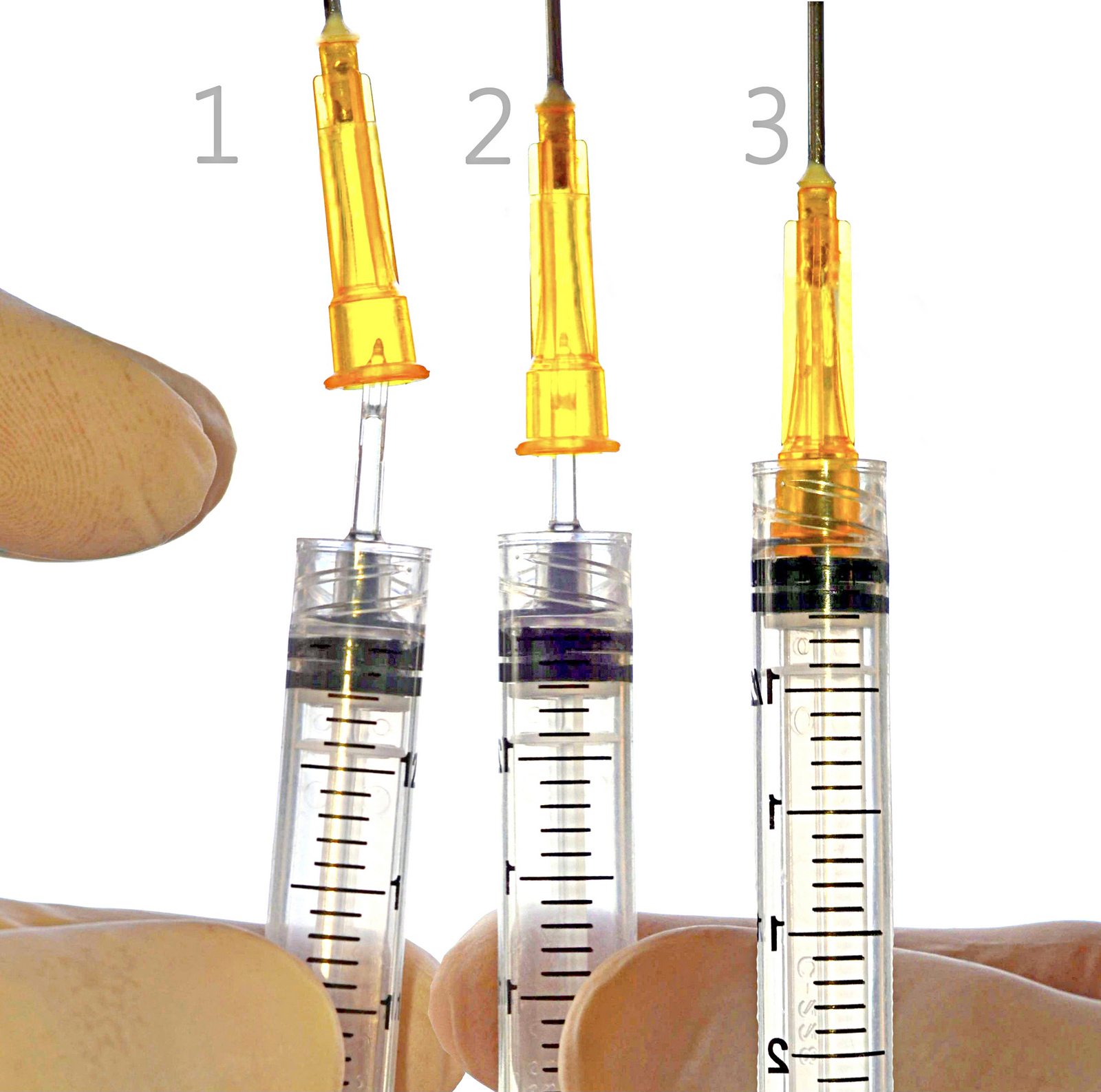
The injection needle is attached only after medication preparation has been completed, meaning the steel needle has never been used on anything except the patient.

Eliminating the Need for Steel Fill Needles

Steel fill needles have become standard equipment throughout healthcare.

However, every additional sharp instrument introduced into the medication preparation process increases complexity.

Separate fill needles create additional:

  • Sharps handling
  • Sharps disposal
  • Inventory requirements
  • Workflow steps
  • Opportunities for accidental needle-stick injuries

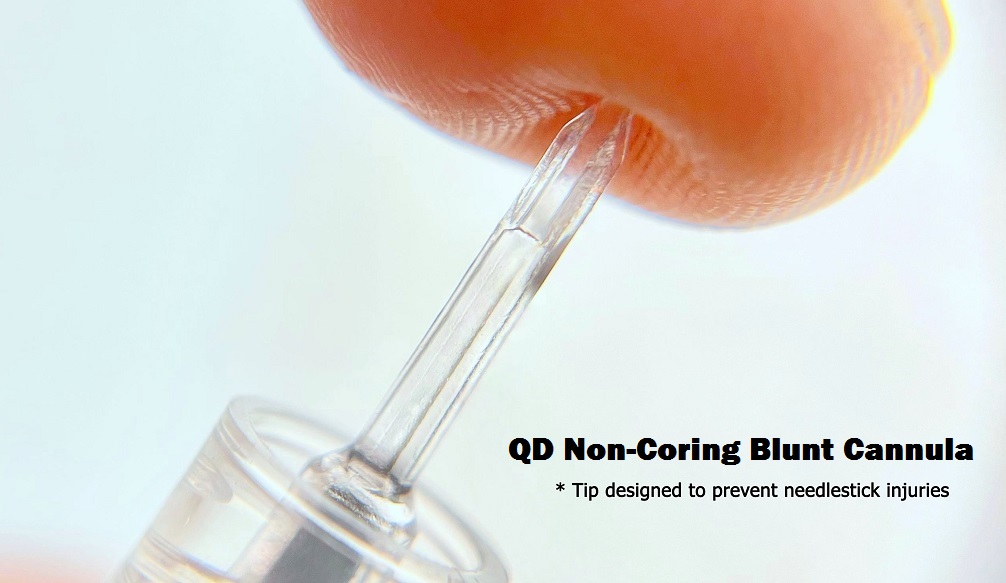
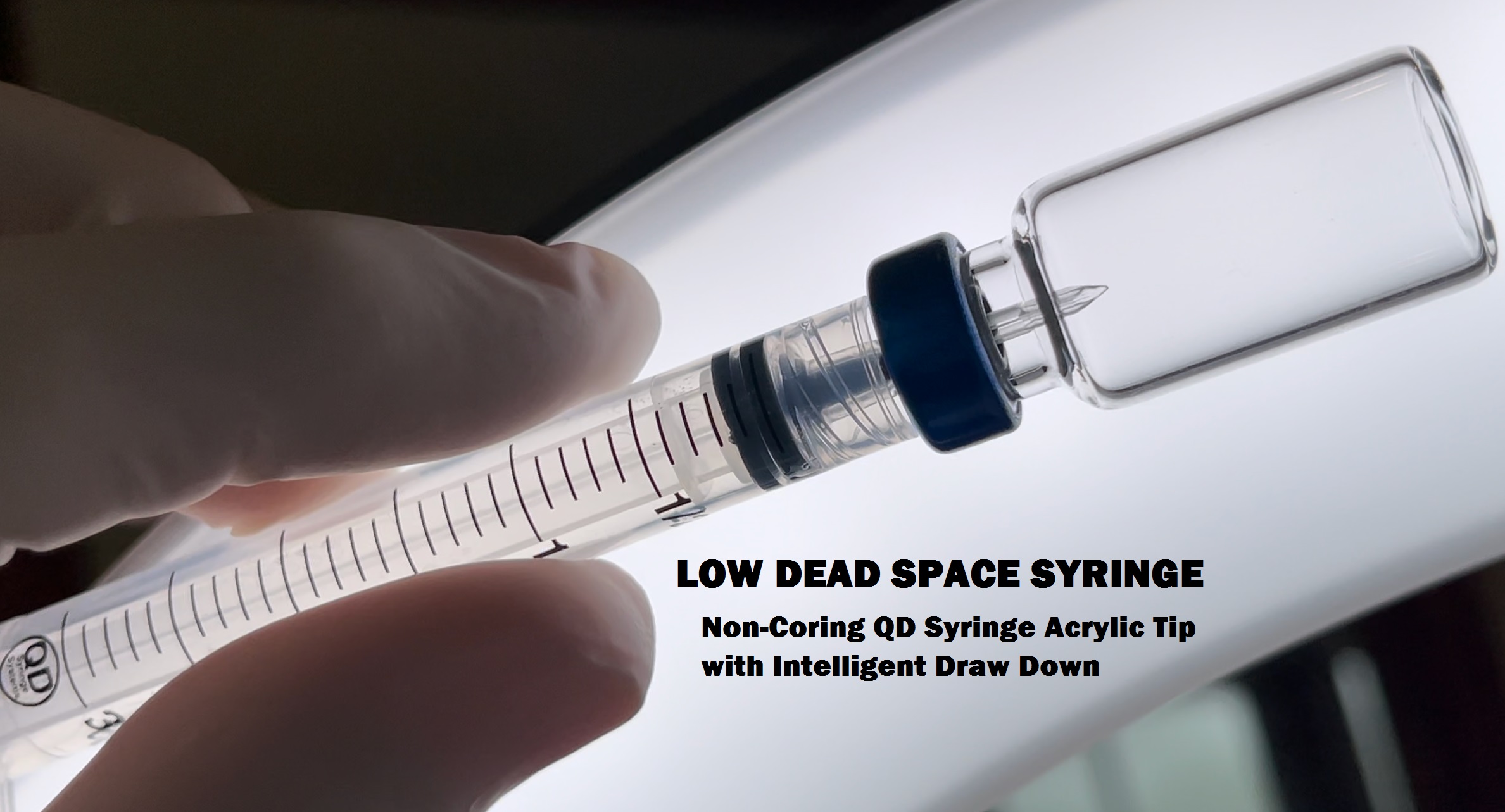
The QD Syringe eliminates the need for a separate steel fill needle by incorporating an integrated blunt medication preparation cannula directly into the syringe itself.

Immediately after opening the sterile package, the syringe is ready to access compatible medication vials.

No additional fill device is required.

Reducing the Risk of Rubber Coring

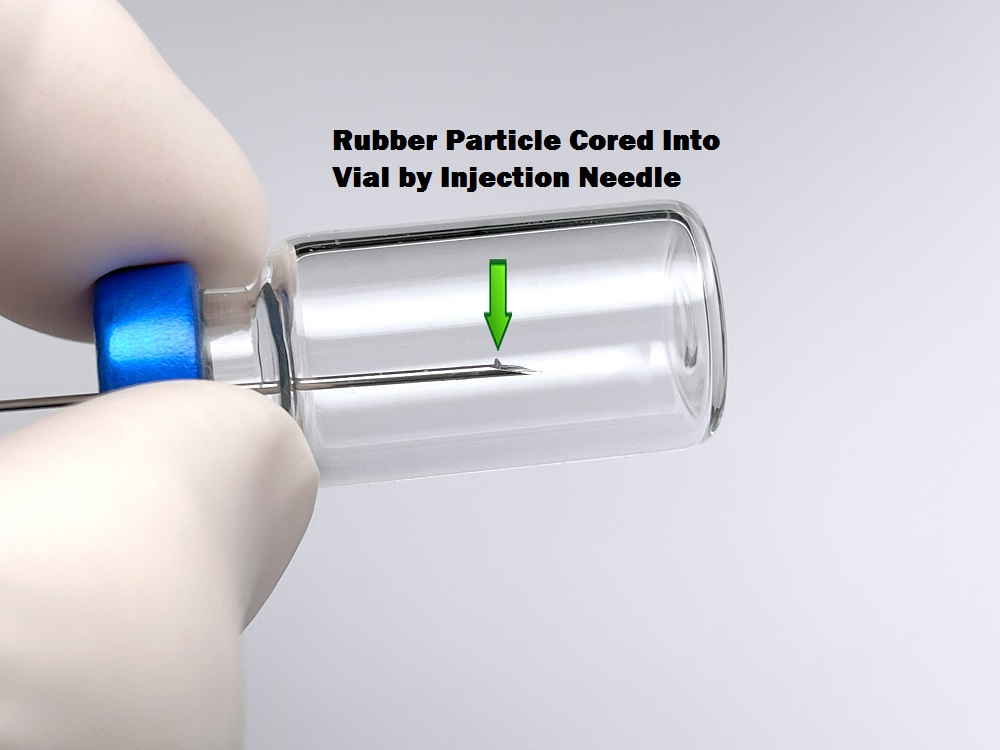
Another important consideration during medication preparation is rubber stopper coring.

When steel needles penetrate vial stoppers, small fragments of rubber may occasionally be shaved from the stopper surface. These microscopic particles can enter the medication solution.

Published studies have documented coring events associated with conventional steel needles under certain conditions.

The QD integrated cannula was specifically engineered as a non-coring medication preparation device. Rather than relying on a traditional beveled steel needle for medication withdrawal, its geometry was designed to minimize coring while providing efficient medication access.

Complete Medication Recovery

Many injectable medications are extremely expensive.

Every remaining microliter left inside a vial represents medication that cannot be delivered to the patient.

Traditional steel draw needles frequently require repeated repositioning, tilting, rotating, and “chasing” medication hidden beneath thick rubber stoppers or recessed vial designs.

The QD Syringe was engineered differently.

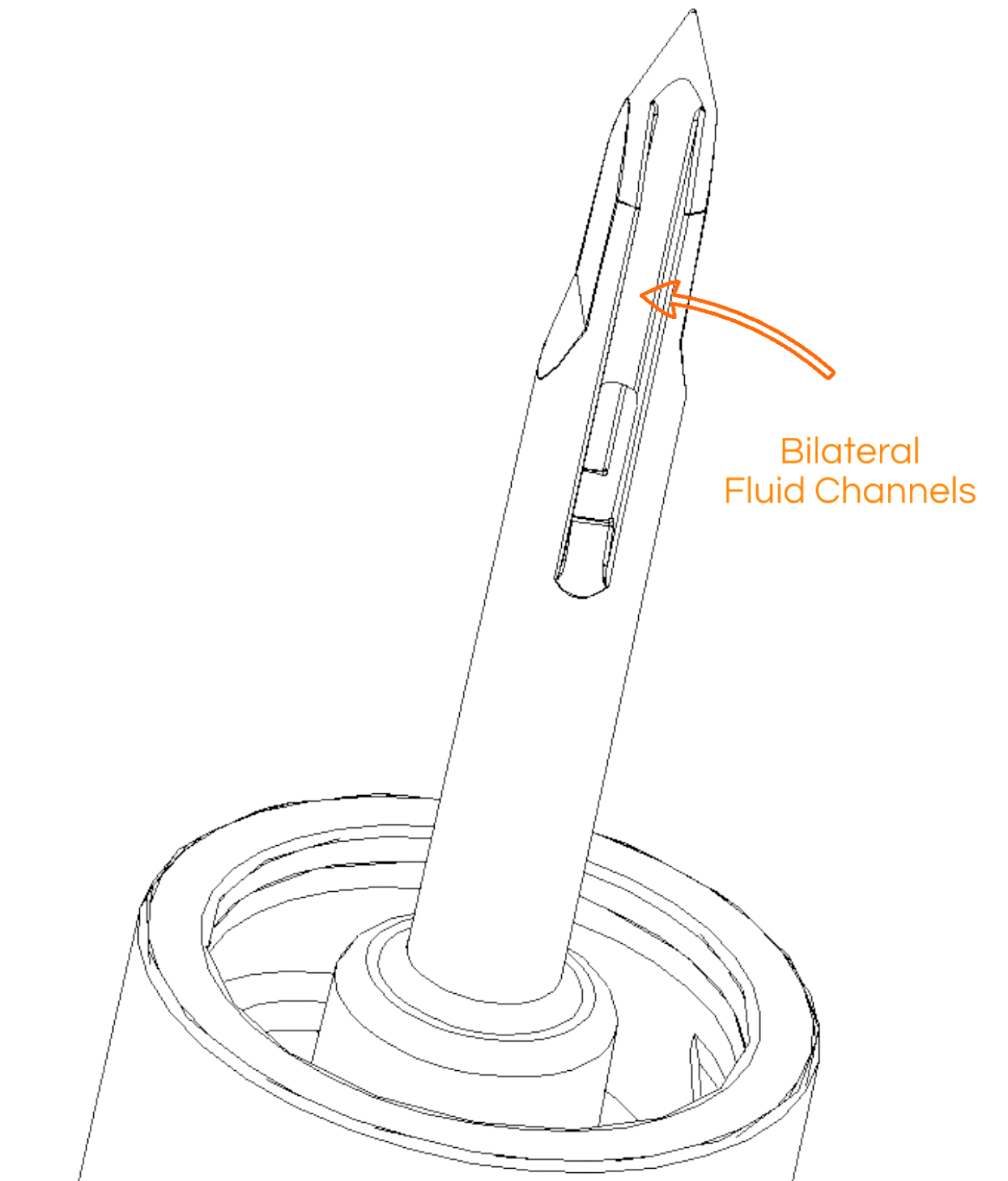
Its integrated draw-down cannula incorporates strategically positioned bilateral fluid channels that allow medication to flow efficiently into the syringe while the cannula remains at its stopping point.

Instead of repeatedly manipulating the needle throughout the vial, medication preparation becomes a smooth, continuous motion.

The objective is simple:

Recover as much medication as possible while reducing unnecessary manipulation.

Low Dead Space Medication Delivery

Recovering medication from the vial is only half of the equation.

The medication must also be delivered efficiently.

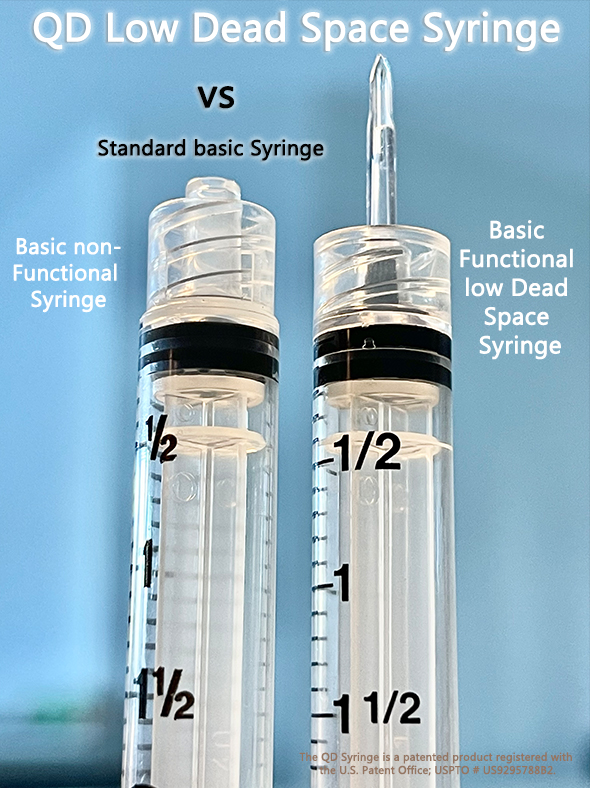
Many detachable needle systems retain medication within the hub after the plunger has been fully depressed. This residual volume, commonly known as dead space, contributes to preventable medication waste.

The QD Syringe incorporates its own dedicated low dead-space mating injection hub, reducing residual medication while preserving the flexibility of detachable needles.

The result is a syringe platform designed to maximize medication recovery from beginning to end.

A Functional One-Piece Syringe Platform

The QD Syringe represents a fundamentally different philosophy of syringe design.

Instead of asking clinicians to assemble multiple components before medication preparation can begin, the QD Syringe integrates medication preparation directly into the syringe itself.

Its platform includes:

  • An integrated non-coring blunt cannula.
  • Bilateral medication flow channels.
  • Immediate vial access.
  • Simplified medication preparation.
  • Reduced dependency on separate steel fill needles.
  • A dedicated low dead-space injection hub.
  • Detachable injection needles that remain unused until patient administration.

Each component has been engineered to perform a specific function while working together as a complete medication delivery platform.

The Next Generation of Disposable Syringes

Healthcare continues to demand greater efficiency, improved safety, lower medication waste, and simplified workflows.

The disposable syringe should evolve to meet those expectations.

The QD Syringe was developed to become more than another syringe.

It was designed to become a functional medication preparation platform—one capable of recovering more medication, reducing unnecessary workflow, minimizing sharps exposure, preserving the integrity of the patient injection needle, and delivering medication through a low dead-space system.

After more than 65 years of largely unchanged syringe design, the QD Syringe represents a new way of thinking about one of medicine’s most frequently used devices.

The future of medication preparation doesn’t begin with another accessory. It begins with a functional syringe.

Learn more about the next generation of medication delivery technology at:

www.QDSyringe.com

The QD Syringe Platform: Reinventing the World’s Most Used Medical Device

June 29th, 2026 by admin | Permalink

Why the Future of Medication Preparation May Depend on Rethinking the Disposable Syringe

Every day, healthcare professionals perform millions of injections.

Before every life-saving antibiotic, chemotherapy treatment, vaccine, biologic therapy, hormone injection, or emergency medication reaches a patient, something remarkably ordinary happens.

A clinician reaches for a disposable syringe.

It is one of the most frequently used medical devices in the world.

It is also one of the least questioned.

For more than sixty-five years, medicine has advanced at breathtaking speed. Artificial intelligence now assists physicians. Robotic surgery has become commonplace. Precision medicine and gene therapy are reshaping the treatment of disease.

Yet the disposable syringe, the gateway through which billions of injectable medications pass every year, has remained fundamentally dependent upon a workflow designed generations ago.

The question is no longer whether medicine has evolved.

The question is why the syringe has not.


A Simple Question That Challenges an Entire Industry

Every breakthrough begins with someone asking a question everyone else overlooked.

For the QD Syringe Platform, that question was deceptively simple:

Why should a disposable syringe require another disposable device before it can perform one of its most basic functions, preparing medication?

Today, clinicians routinely assemble multiple components before a medication ever reaches a patient:

  • Syringe
  • Steel draw needle
  • Blunt fill needle
  • Plastic transfer cannula
  • Injection needle
  • Needleless connector
  • Specialty accessories

Healthcare has accepted this process because it has existed for decades.

The QD Platform asks whether it still makes sense.


The Functional Syringe

The defining innovation of the QD Platform is not simply lower dead space.

It is the concept of the Functional Syringe.

Instead of opening a sterile syringe package and immediately searching for another device to access a medication vial, the QD Syringe incorporates medication preparation capability directly into the syringe through its integrated vial-access cannula.

Medication preparation becomes part of the syringe, not an accessory.

That distinction changes how the entire medication preparation process can be viewed.


A Platform, Not Just a Product

Many medical device innovations improve one feature.

The QD Platform was conceived as something much larger.

It is a modular architecture intended to support multiple clinical applications while sharing common engineering principles.

Potential applications include:

  • Hospital pharmacy
  • Medication reconstitution
  • Nuclear medicine
  • Oncology
  • Hormone replacement therapy
  • Critical care
  • Emergency medicine
  • Blood collection
  • Arterial blood gas sampling
  • Specialty injectable therapies
  • Compounding pharmacy
  • Aesthetic medicine

Rather than creating isolated devices, the vision is a common platform capable of evolving across healthcare.


Why Low Dead Space Matters More Than Ever

The economics of injectable medications have changed dramatically.

Many modern therapies cost hundreds, or even thousands, of dollars per dose.

Independent academic research has demonstrated that reducing syringe dead space can significantly decrease preventable medication waste.

As injectable medications become more valuable, improving medication recovery becomes more than an engineering exercise.

It becomes a healthcare economics issue.

The QD Platform was developed with a low dead-space objective while preserving detachable injection capability and integrating medication preparation into the syringe itself.


Engineering for Medication Preparation

Conventional hypodermic needles were designed primarily to penetrate tissue.

Over time, they also became the standard tool for withdrawing medication from rubber-stopper vials.

The QD Platform separates these functions.

Its integrated medication-preparation cannula is intended specifically for vial access, while the dedicated injection hub is reserved for patient administration.

This philosophy allows each component to be designed for its intended purpose rather than asking one device to perform multiple unrelated tasks.


Simplifying Clinical Workflow

Healthcare professionals prepare medications millions of times every day.

Small improvements become enormous opportunities when multiplied across hospitals worldwide.

The QD Platform was designed with several practical objectives:

  • Simplify medication preparation.
  • Reduce dependency on separate draw needles.
  • Reduce sharps handling.
  • Support low dead-space drug delivery.
  • Improve recovery of expensive medications.
  • Reduce accessory devices.
  • Simplify inventory management.
  • Reduce hazardous waste.

Every objective reflects a real-world challenge observed in clinical practice.


A Platform Designed to Grow

Successful medical technologies rarely remain a single product.

They become platforms.

The QD Platform has the potential to support future product families including:

  • QD Low Dead-Space Syringes
  • QD Universal Cannulas
  • QD Medication Preparation Systems
  • QD Blood Collection Products
  • QD Pharmacy Solutions
  • QD Nuclear Medicine Systems

This creates opportunities for expansion into multiple healthcare markets while leveraging common engineering principles.


Why This Matters to Healthcare Systems

Hospitals today face unprecedented pressure to:

  • Improve patient safety.
  • Reduce medication waste.
  • Increase pharmacy efficiency.
  • Standardize supplies.
  • Reduce labor costs.
  • Improve workflow.
  • Support increasingly expensive injectable therapies.

The devices used to prepare medications deserve the same level of innovation that has transformed diagnostics, infusion therapy, and pharmaceutical science.

The QD Platform was conceived with that goal in mind.


Why This Matters to Medical Device Manufacturers

For manufacturers, transformative opportunities rarely come from incremental changes alone.

They come from technologies capable of opening new product categories.

The QD Platform combines several concepts into a single architecture:

  • Integrated medication preparation.
  • Low dead-space design objectives.
  • Modular detachable injection capability.
  • Expandable platform strategy.
  • Broad clinical applicability.
  • Protected intellectual property.

This combination creates opportunities not only for individual products but also for future platform expansion.


The Future of Medication Preparation

Every generation of healthcare inherits technologies that become so familiar they are rarely questioned.

Eventually, someone asks whether there is a better way.

The disposable syringe has served medicine extraordinarily well for generations.

Its future may depend on becoming more than a syringe.

The QD Platform represents a vision for what that future could become, a functional medication preparation system designed to simplify workflow, reduce medication waste, support modern injectable therapies, and provide a foundation for the next generation of disposable drug delivery technology.

Whether that future is realized will depend on engineering, clinical validation, manufacturing, regulatory development, and strategic partnerships.

But history has shown that the greatest advances in medical technology often begin with a single question.

What if one of the world’s oldest medical devices could finally be reinvented?